

Best Crib Newborn
Add a review FollowOverview
-
Sectors Renewables
-
Posted Jobs 0
-
Viewed 4
Company Description
10 Cot Newborn Tips All Experts Recommend
Cot for Newborns: A Comprehensive Guide
Picking the ideal sleeping plans for a newborn is among the most substantial decisions moms and dads deal with. Among the fundamentals for new moms and dads is a cot, which serves as a safe, comfortable sleeping area for the baby. This short article will explore the various kinds of cots offered, important security considerations, pointers for picking the ideal one, and upkeep guidelines to make sure sturdiness and safety.
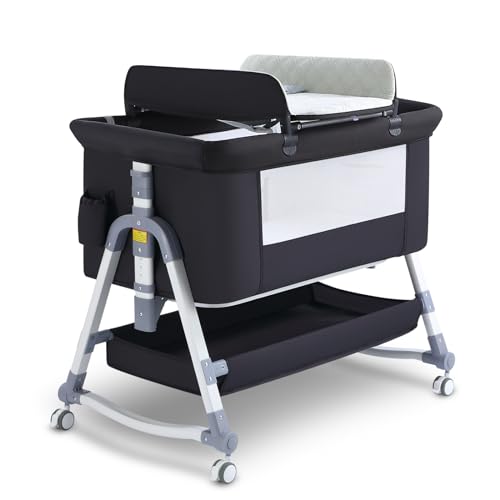
Types of Cots for Newborns
When it comes to cots, there are several choices in the market. Each type has its unique functions and benefits. Below is a table summing up the various kinds of cots offered for babies.
| Standard Cot | A traditional Crib Sets with repaired sides. | Durable and durable; excellent for long-term usage. | Can be large; may not fit in smaller areas. |
| Cradle | A small, rocking cot developed for infants. | Portable and soothing for infants. | Restricted use as baby grows; less steady. |
| Moses Basket | A lightweight basket with deals with. | Highly portable; comfortable for babies. | Shorter life-span; normally not suitable for older infants. |
| Travel Cot | A collapsible cot ideal for travel and short-lived usage. | Easy to carry; usually easy to establish. | May lack durability; not as aesthetically pleasing. |
| Co-sleeper Cot | Connects to the moms and dads’ bed, permitting distance. | Promotes bonding; breastfeeding benefit. | Limited area; frequently more costly. |
| Convertible Cot | Can change from a crib to a young child bed. | Adapts with baby’s growth; long-lasting financial investment. | Higher preliminary expense; assembly might be needed. |
Crucial Safety Considerations
When picking a cot for a newborn, security ought to always be the primary concern. Here is a list of important safety requirements and guidelines to think about.
- Standards Compliance: Ensure the cot meets safety standards set by regulative bodies such as the Consumer Product Safety Commission (CPSC) in the U.S. or the European safety requirements.
- Slat Spacing: The distance in between cot slats need to not exceed 2 3/8 inches (6 cm) to prevent a baby’s head from getting stuck.
- Stability: The cot needs to be durable and stable. Shake the cot before purchasing to ensure it doesn’t wobble.
- Mattress Fit: The mattress ought to fit comfortably into the cot, without any spaces bigger than 2 fingers between the mattress and the cot sides.
- No Hazardous Materials: Check for non-toxic finishes and materials, ensuring that the cot is free from harmful chemicals.
- Eliminate Clutter: Avoid positioning toys, pillows, or blankets inside the cot, as these can posture suffocation risks.
Tips for Choosing the Right Cot
Picking a cot can be a frustrating procedure due to the myriad of choices offered. Here are some suggestions to help streamline this procedure:
- Consider Size: Evaluate the size of your nursery or bedroom. Ensure the cot fits easily in the designated area.
- Prepare for Growth: Think about the longevity of the cot. Convertible cots may offer much better value by adapting to a growing child.
- Budget plan Wisely: Quality cots can range extensively in cost. Set a budget and adhere to it, focusing on security and performance first.
- Research study Brands: Read reviews and carry out research study on various brands. Dependable makers should supply transparent details about their security practices.
- Comfort: Ensure that the bed mattress is firm and supplies appropriate support. A soft bed mattress may increase the danger of SIDS (Sudden Infant Death Syndrome).
- Visual appeal Matter: While security is vital, think about how the cot suits the general decor scheme of the nursery.
Upkeep of the Cot
Making sure the safety and longevity of your newborn’s cot requires continuous maintenance. Here are some practical upkeep tips:
- Regular Inspections: Routinely check the cot for any loose screws or parts. Tighten them as required to preserve toughness.
- Tidiness: Wipe down the cot routinely with a damp cloth and mild soap to remove dust and allergens.
- Mattress Care: Choose a waterproof cover for the bed mattress, making it simple to clean spills or mishaps. Frequently change the mattress if it shows signs of wear and tear.
- Safe Storage: If the cot is adjustable or convertible, shop any detachable parts in a safe place, guaranteeing they are not lost and are accessible for future use.
- Child’s Development: Monitor your child’s growth. Transition to a young child bed when they begin climbing up out of the cot to ensure their safety.
Often Asked Questions (FAQs)
1. What is the best type of cot for a newborn?
The best cot varies depending upon individual requirements and area, however a Standard Cot is typically suggested for its sturdiness and long life expectancy.
2. How long can a newborn use a cot?
Typically, many infants transition out of a cot in between 2-3 years depending upon height and weight.
3. Is a co-sleeper cot safe?
Yes, co-sleeper cots are created to be safe, as long as they fulfill safety standards and are appropriately set up.
4. Should I utilize bumpers in my cot?
It is suggested to prevent using bumpers as they posture a suffocation danger. Rather, guarantee the cot is clear of any soft bedding.

5. Can I utilize a second-hand cot?
If thinking about a pre-owned cot, ensure it complies with the most recent security standards and has actually not surpassed its life-span or been recalled.
Picking a cot for a newborn is a vital decision that requires mindful factor to consider of safety, space, and performance. By comprehending the types, safety functions, and upkeep requirements, parents can with confidence choose a cot that meets their family’s requirements. Eventually, the ideal cot will supply a safe and comfortable area for your newborn to sleep, contributing to their wellness and advancement during those essential early years.