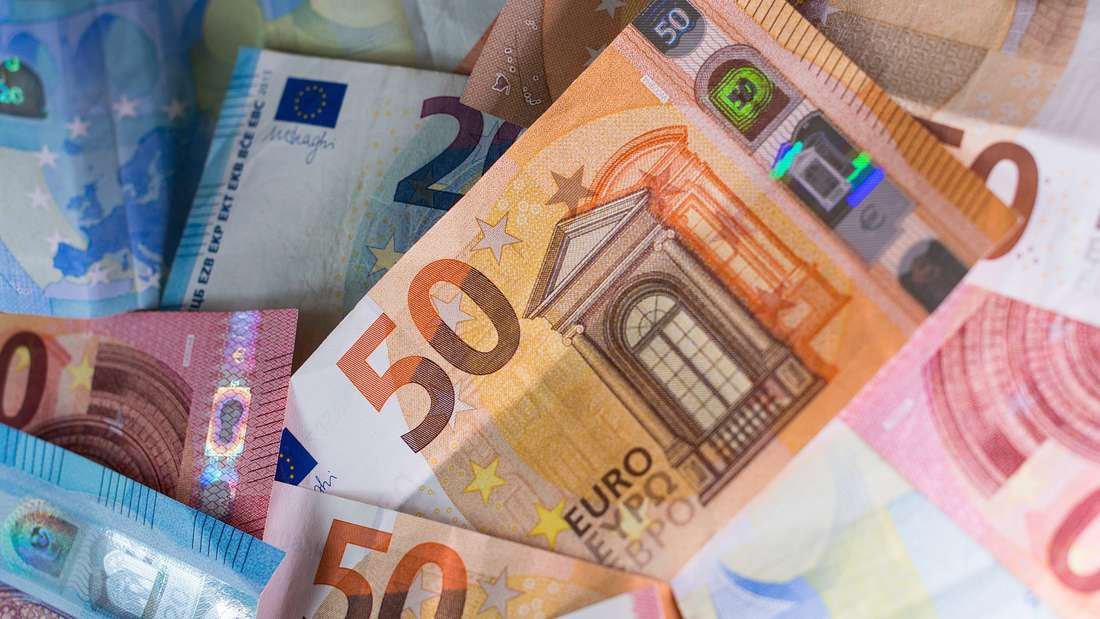
Falschgeld Shop Online
Add a review FollowOverview
-
Sectors Nuclear
-
Posted Jobs 0
-
Viewed 15
Company Description
Why High Quality Fakes Is The Right Choice For You?
High-Quality Fakes: The Intricacies of Authenticity in the Modern Marketplace
In an age defined by quick globalization, fälschungen online Bestellen shopping, and the democratization of high-end, the development of high-quality fakes has actually become a substantial phenomenon. As consumers significantly seek status symbols at available costs, counterfeit products– specifically those crafted with extraordinary ability– have gotten traction. This article explores the world of high-quality fakes, exploring their ramifications, the industries most impacted, and the ethical considerations they raise.
Understanding High-Quality Fakes
High-quality fakes describe counterfeit products that are created to carefully simulate the look, functionality, and even branding of authentic high-end products. Unlike lower-quality knockoffs that are frequently characterized by their apparent flaws, high-quality fakes can be so convincingly produced that they may quickly pass as genuine to the untrained eye.
Attributes of High-Quality Fakes:
- Material Quality: These fakes often use materials that carefully look like or duplicate those utilized in real items, making them visually appealing and tough to distinguish from originals.
- Workmanship: Skilled craftsmens might craft these products with accuracy, focusing on the information that set the designer items apart from below average copies.
- Limited Editions: Some counterfeiters make use of the appeal of restricted editions, producing fakes in little amounts to improve their desirability.
- Branding Techniques: High-quality fakes are typically branded utilizing advanced strategies, leading customers to believe they are acquiring authentic merchandise.
The Industries Most Affected
The marketplace for high-quality fakes is not limited to any specific sector; however, a few markets are particularly vulnerable:
-
Luxury Fashion: Throughout the years, luxury style brands have dealt with a barrage of counterfeiting, from purses to shoes and garments. With customers progressively spending plans in mind, high-quality fakes are appealing options to genuine products.
-
Jewelry: Counterfeit fashion jewelry, specifically reproductions of renowned pieces from distinguished houses, can be nearly equivalent from the real thing. These fakes pose challenges for consumers who might have a hard time to determine the distinction.
-
Consumer Electronics: With the constant advancement of technology, fake variations of popular gadgets, especially mobile phones, have emerged. These gadgets often feature comparable designs but might compromise on quality or performance.
-
Art and Collectibles: The art market faces considerable issues with forgeries, with some fakes garnering high prices in spite of doing not have authenticity. Collectors typically face issues relating to the provenance of their pieces.
The Impact on Consumers and Brands
While the allure of high-quality fakes might be irresistible to some consumers, it’s vital to think about the ramifications of purchasing such items.
Pros for Consumers:
- Affordability: High-quality fakes offer a more affordable option for consumers who want to take pleasure in luxury items without paying premium rates.
- Stylish Options: Counterfeit products typically imitate the current patterns, permitting customers to remain fashionable without significant financial investment.
Cons for Consumers:
- Lack of Authenticity: Purchasing a high-quality fake might lead to sensations of regret or deceptiveness, especially for customers who value brand integrity.
- Quality Risks: While some fakes are high quality, others may not satisfy safety requirements or provide the resilience connected with authentic products.
Effect on Brands:
- Profit Loss: Luxury brand names experience considerable earnings losses due to counterfeit products undercutting their market share.
- Brand Equity: The expansion of high-quality fakes can water down a brand’s value and contributions to its unique identity within the marketplace.
Browsing the Terrain: How to Spot High-Quality Fakes
For consumers interested in buying authentic products, being able to determine high-quality fakes is essential. Here are some ideas:
-
Research the Brand: Familiarize yourself with the brand, its values, and its style elements. Knowledgeable customers are less likely to fall for counterfeit products.
-
Inspect Materials: Authentic high-end products typically use superior products. If something feels off, it might not be real.
-
Check for Certification: Reputable brands often provide accreditations or authenticity cards with their products. These can be handy in confirming a product’s authenticity.
-
Buy From Trusted Sources: Stick to authorized sellers or main websites to decrease the risk of acquiring a high-quality fake.
-
Bear In Mind of Pricing: If the offer appears too great to be true, it most likely is. Watch out for prices considerably lower than those of validated sellers.
Ethical Considerations
The increase of high-quality fakes brings forth ethical questions surrounding customer rights, brand ownership, and creative flexibility. Some argue that customers deserve to access the high-end market at their monetary discretion. Conversely, others highlight the importance of supporting authentic workmanship and creativity.
Questions to Consider:
- Can high-quality fakes contribute positively to a more equitable market?
- How do high-quality fakes challenge the standard concepts of worth and luxury?
- Is it ethical to accept counterfeit culture in a world where originality is being increasingly questioned?
Frequently asked questions
Q1: Are high-quality fakes prohibited?
A: Yes, producing and offering counterfeit products is illegal in most jurisdictions as it breaches intellectual home rights.
Q2: What should I do if I unconsciously bought a high-quality fake?
A: Contact the seller to discuss a return, and consider reporting the issue to the appropriate authorities or trade companies.
Q3: How can I support brands affected by counterfeit items?
A: Opt to purchase straight from authorized sellers, supporter for awareness concerning counterfeiting, and support anti-counterfeit projects.
Q4: Are high-quality fakes always of lesser quality than originals?
A: Not always. Some high-quality fakes are crafted with great skill and can rival the look of authentic products, though they might do not have the resilience and workmanship of genuine products.
High-quality fakes provide a complicated crossway of consumer desire, brand principles, and economic realities. As this phenomenon continues to unfold, it is vital to browse this landscape with awareness and understanding. Both customers and brand names must challenge the effects– both positive and negative– of this blossoming market. In a world progressively formed by replicas, the pursuit of credibility becomes ever more essential.