

Good Cribs
Add a review FollowOverview
-
Sectors Nuclear
-
Posted Jobs 0
-
Viewed 4
Company Description
10 Wrong Answers To Common Cots To Tots Questions: Do You Know The Right Answers?
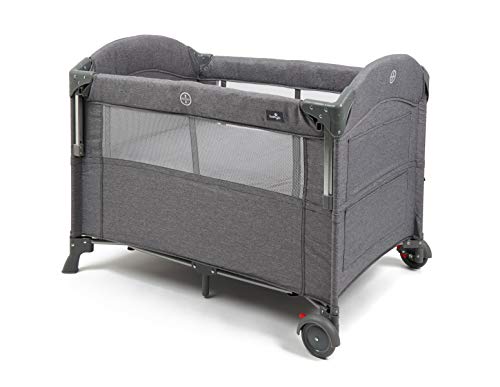
Cots To Tots: A Comprehensive Guide for Parents
The journey from cots to tots is a necessary transition duration for parents as their kids grow. This stage not just involves physical modifications but also psychological and developmental milestones that both moms and dads and children experience. In this article, we will look into the various aspects of this shift, supplying you with important insights, suggestions, and frequently asked concerns that will help you navigate through this crucial stage of parenting.

Understanding the Transition: Cots to Tots
The term “Cots to Tots” frequently describes the shift from crib sleeping to young child beds, generally happening between the ages of 18 months and 3 years. Throughout this stage, children experience significant physical and cognitive advancement, and moms and dads play an essential function in ensuring their kids adjust well to these modifications.
Secret Milestones in the Cots to Tots Transition
-
Physical Growth: As toddlers become more mobile, they typically outgrow the boundaries of a crib. Indications that a kid is prepared to transition include climbing up out of the crib or no longer fitting conveniently in it.
-
Cognitive Development: Cognitive skills are thriving during this time, and kids begin to assert their independence. They may reveal preferences, desire to pick their sleeping arrangements, or show interest in developing regimens.
-
Emotional Growth: Emotionally, young children begin to establish a sense of security and autonomy. They may experience nighttime fears or separation stress and anxiety, highlighting the requirement for a mindful technique during this shift.
The Importance of Choosing the Right Toddler Bed
Picking the ideal young child bed is a vital step in the cots to tots transition. Here are a few factors to think about:
- Safety: Look for beds with rounded edges, sturdy building, and steady guardrails to avoid falls.
- Size and Height: Choose a bed that’s low to the ground to make it easy for young children to climb in and out independently.
- Material: Select non-toxic surfaces and products that can withstand the wear and tear of young child life.
- Design: Aesthetics matter too! Select a design that matches the child’s personality and complements the space design.
Recommendations for a Smooth Transition
Here is a list of practical suggestions to relieve the transition from cots to young children:
-
Prepare the Environment: Create a safe sleeping environment by eliminating sharp things and using security gates as needed to limit access to stairs or other locations.
-
Develop a Routine: Establish a consistent bedtime regimen to assist your child feel secure. Activities such as reading, singing lullabies, or bath time can indicate that it’s time for sleep.
-
Motivate Independence: Allow your child to be involved in choosing their bed and bed linen to foster a sense of ownership and excitement about the new modification.
-
Address Nighttime Fears: Offer comfort items such as packed animals or Mini Cotbed (Https://Git.Toad.City/) blankets that help your child feel safe and secure.
-
Be Patient: Transitioning can take some time. If your kid has a hard time in the beginning, assure them that it’s a natural part of growing up.
Often Asked Questions (FAQs)
Q1: When should I shift my kid from a crib to a toddler bed?
Many children shift in between 18 months and 3 years, depending upon their personal readiness. Look for signs like climbing up out of the crib or showing interest in a big-kid bed.
Q2: What if my child refuses to oversleep the new bed?
It’s typical for toddlers to withstand change. Developing a bedtime regimen, offering comfort items, and providing appreciation for any development can help reduce the transition.
Q3: Are toddler beds safe?
Yes, as long as they satisfy security requirements. Search for features like guardrails, low height, and sturdy construction to ensure security.
Q4: How can I prevent my kid from falling out of bed?
Go with young child beds with guardrails and location cushions or soft carpets on the floor to soften any prospective falls.
Q5: Is it needed to buy a brand-new bed, or can I utilize a mattress on the flooring?
While a mattress on the flooring may work momentarily, a young child bed offers stability and safety features that enable more independence throughout sleep.
Last Thoughts
The shift from cots to tots is a substantial stage in parenting that sets the stage for further development and development. By understanding the changes that occur in your kid’s physical, cognitive, and psychological health and wellbeing throughout this time, moms and dads can better support their children through this crucial leap. With careful preparation and perseverance, this shift can be a favorable experience for both parents and children. Emphasizing security, independence, and routine will not just lead the way for effective sleep practices but will likewise encourage young children to prosper in this exciting brand-new chapter of their lives.
Summary Table: Key Points for Cots to Tots Transition
| Physical Growth | Growing out of the crib, mobile enough to climb up in/out of the bed |
| Cognitive Development | Asserting independence, showing choices |
| Psychological Growth | Experiencing nighttime worries, separation anxiety |
| Choice Criteria | Safety features, comfort, aesthetics |
| Practical Tips | Prepare the environment, develop a regular, motivate independence |
By following the above guidelines and listening to your kid’s needs, transitioning from cots to tots can be an enhancing experience that assists foster self-reliance and growth.